Mongale Font: Friendly Handwritten Style for Business
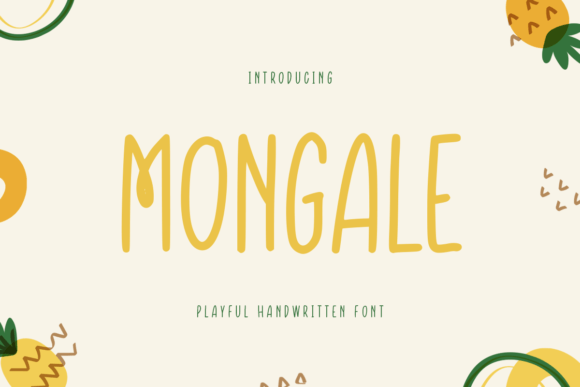
As a small business owner, I know that every visual touchpoint matters. From the logo on my website header to the thank-you card tucked inside a shipping box, typography communicates my brand’s personality before a customer even reads a single word. Finding a typeface that balances professionalism with genuine warmth can be a challenge, but Mongale offers a solution that feels both intentional and inviting. This handwritten font brings a thin, friendly appearance that works exceptionally well for entrepreneurs who want their brand to feel accessible without sacrificing polish.
Mongale is not just another decorative script; it is a practical tool for building a cohesive brand identity. Its playful strokes and charming curves evoke a sense of approachability that is perfect for boutique owners, café operators, handmade sellers, and service providers. When you are competing in a crowded market, having a consistent visual voice helps build trust. Using a premium font like Mongale signals that you care about the details, transforming generic business materials into memorable brand experiences.
Elevating Packaging and Product Labels
For those of us selling physical products, packaging is often the first tangible interaction a customer has with our brand. Mongale shines in this arena because its thin weight remains legible even at smaller sizes, which is crucial for product labels and ingredient lists. Unlike heavy, ornate scripts that can become muddy when printed on textured paper or small stickers, Mongale maintains clarity. This makes it an excellent choice for candle labels, cosmetic jars, artisanal food packaging, and jewelry tags.
Consider a handmade skincare line. Using Mongale for the product name on the front label creates an immediate emotional connection, suggesting natural ingredients and personal care. Because the font has a whimsical yet refined quality, it avoids looking childish. It strikes the right balance for modern typography in the beauty and wellness space. When designing your packaging, test the font at actual print size. What looks elegant on a 27-inch monitor might need slight tracking adjustments when printed on a two-inch sticker. Mongale’s open letterforms generally handle this scaling well, ensuring your customers can easily read what they are buying.
Creating Consistent Social Media Graphics
Consistency across digital platforms is key to brand recognition. Mongale serves as a powerful display font for Instagram posts, Pinterest graphics, and Facebook ads. Its handwritten style stops the scroll because it breaks the pattern of standard system fonts users see all day. However, readability on mobile screens is paramount. I recommend using Mongale primarily for headlines, quotes, or short promotional phrases rather than long captions.
When creating social media templates, pair Mongale with a clean sans serif font for body text. For example, use Mongale to highlight "New Collection" or "50% Off," and use a simple geometric sans serif for the date, time, and disclaimer text. This font pairing ensures your graphics are aesthetically pleasing while remaining fully accessible. The contrast between the expressive script and the structured sans serif creates a professional hierarchy that guides the viewer’s eye. This strategy works beautifully for coaching businesses sharing inspirational quotes, bakeries announcing daily specials, or florists showcasing seasonal arrangements.
Enhancing Customer-Facing Print Materials
Beyond products and screens, Mongale adds character to essential business stationery. Business cards, menus, flyers, and invoices are opportunities to reinforce your brand voice. A café menu featuring Mongale for section headers like "Espresso Drinks" or "Fresh Pastries" feels curated and welcoming. Similarly, a wedding photographer using this typeface on pricing guides and brochures communicates a romantic, personalized service style.
Thank-you cards and packing slips are particularly effective places to utilize this creative font. These items are often kept by customers, serving as lasting reminders of your business. Because Mongale mimics natural handwriting, it makes printed notes feel more personal, even if they are mass-produced. Just ensure you leave adequate whitespace around the text. Handwritten fonts need room to breathe; crowding them against margins or other design elements can reduce their charm and legibility. Use Mongale as an accent to draw attention to key messages like "Thank You for Your Support" or "Follow Us @YourBrand," keeping the logistical details in a highly readable serif or sans serif typeface.
Strategic Font Pairing for Brand Cohesion
One of the most common mistakes small business owners make is using a decorative font for everything. Mongale is a star performer, but it needs a supporting cast. To maintain a professional brand identity, limit Mongale to specific roles: logos, primary headlines, and signature accents. For secondary information, navigation menus, website body copy, and legal disclaimers, choose a neutral partner.
- Pair with Sans Serif: For a modern, clean look, combine Mongale with a geometric sans serif. This is ideal for tech-adjacent creative services, lifestyle brands, and e-commerce sites.
- Pair with Serif: For a more traditional or literary feel, pair Mongale with a classic serif font. This combination works well for bookstores, vintage shops, tea houses, and heritage brands.
- Hierarchy Matters: Establish strict rules for your team or designers. Decide upfront whether Mongale will be used only in uppercase, title case, or lowercase. Script fonts often have different vibes depending on capitalization, so pick one style and stick to it across all assets to ensure consistency.
Licensing and Practical Implementation
Before integrating Mongale into your business assets, it is vital to understand commercial font licensing. As entrepreneurs, we must protect our businesses legally. Check the specific license terms provided by the foundry or marketplace where you acquired the font. Some licenses cover basic desktop use for branding and social media, while others may require extended licenses for merchandise, digital downloads, or high-volume product packaging. Ensuring you have the correct commercial font license prevents future legal issues and supports the type designers who create these valuable tools.
Implementation should always begin with testing. Create mockups of your business card, website hero banner, and product label before committing to a full rebrand. Print them out. View them on your phone. Ask a friend to read them from a distance. Does Mongale convey the warmth you intend? Is it legible in low light? Does it align with your target audience's expectations? Taking these practical steps ensures that your investment in typography yields real business results. By thoughtfully applying Mongale across your touchpoints, you create a brand that feels human, trustworthy, and distinctly yours.